Explore how stars form, shine, change and eventually reach the end of their lives.
A star is a self-gravitating sphere of plasma
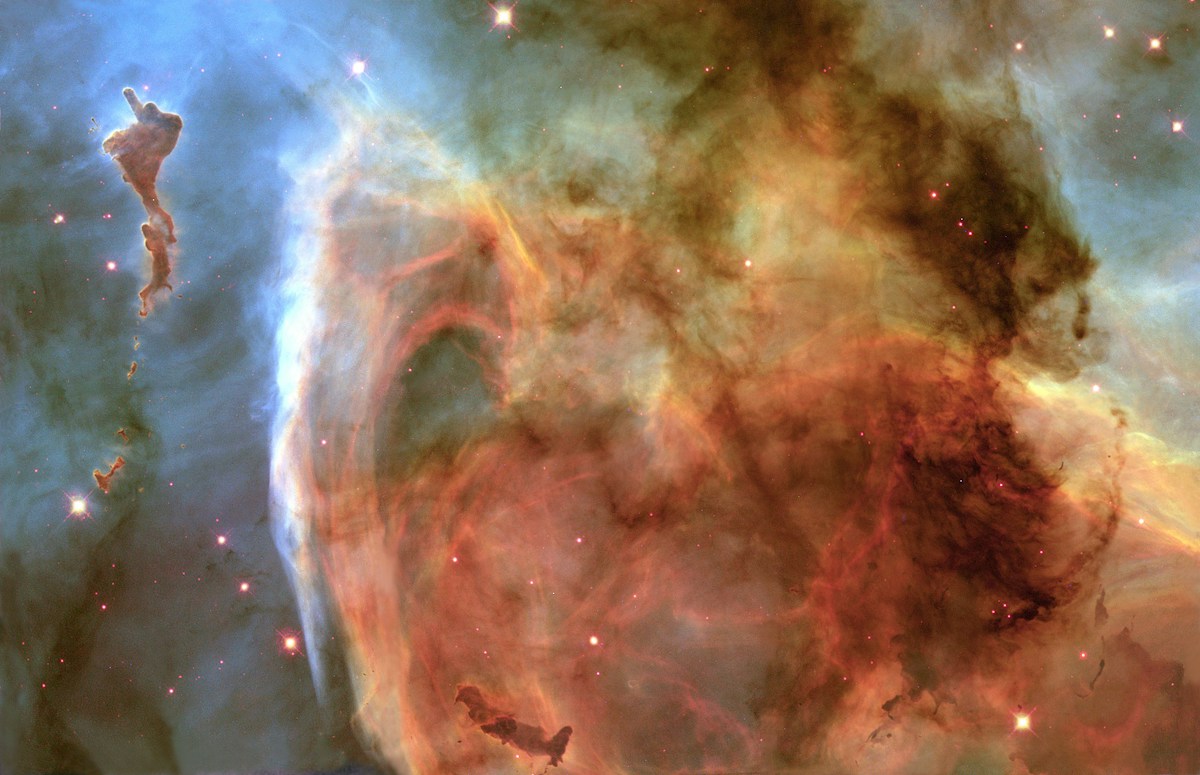
Stars form when dense regions within interstellar clouds collapse under gravity. As the center heats and compresses, sustained nuclear fusion may begin, converting hydrogen into helium in the core of a main-sequence star.
Why stars shine
Energy released by fusion moves outward through the star and is eventually emitted as radiation. The color and spectrum of a star provide clues about its surface temperature and chemical composition.
A star’s life depends on its mass
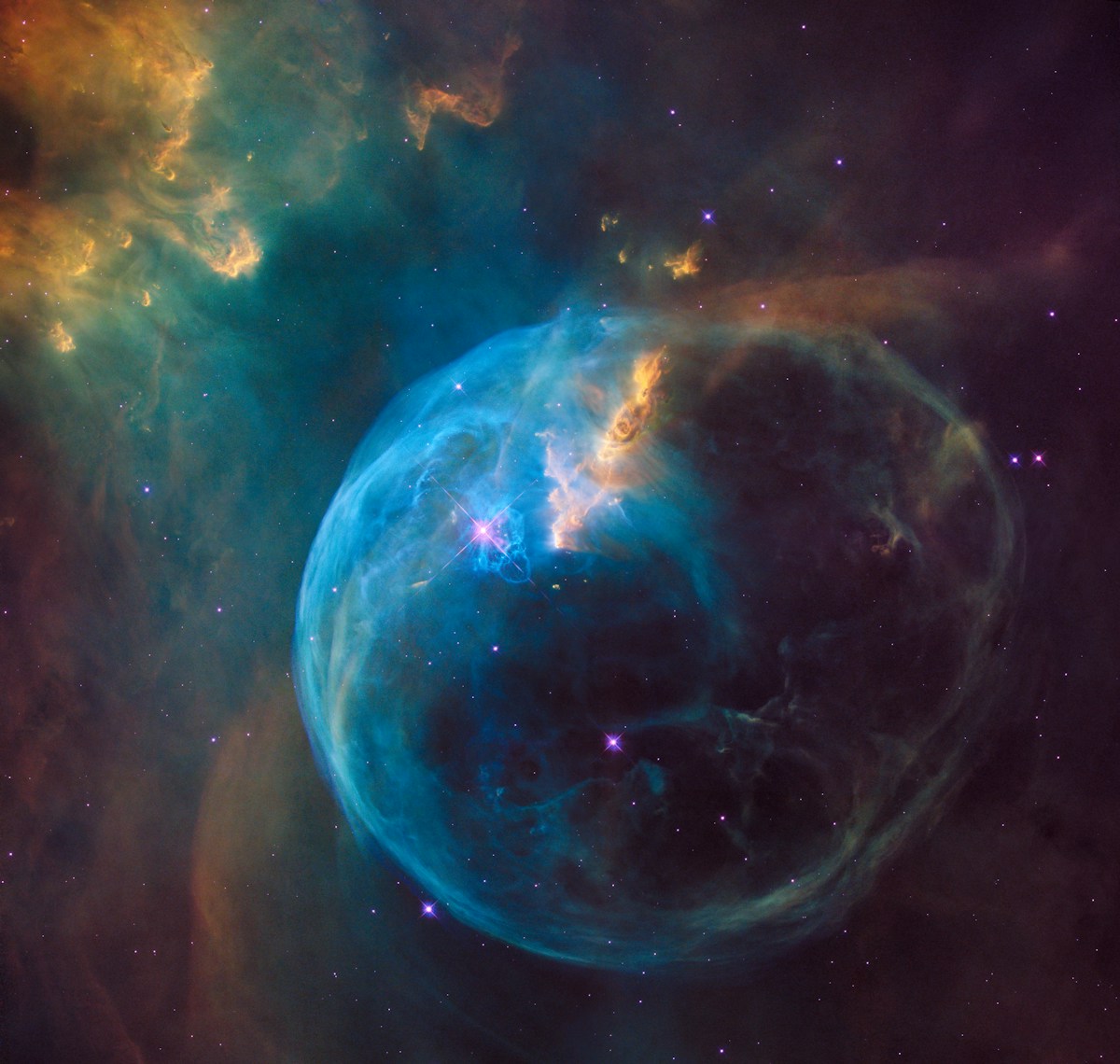
Low-mass stars evolve slowly; Sun-like stars eventually expand into red giants and leave white dwarfs. More massive stars can end in core-collapse supernovae, leaving neutron stars or black holes under appropriate conditions.
Our Sun is a star
The Sun is the closest star to Earth and the primary source of energy for our climate and biosphere. Other stars are so far away that most appear as points of light even through telescopes.
Continue learning
Explore additional material through IASA astronomy resources, or browse more features in IASA Space Magazine.
Educational feature · IASA Space Magazine · Reviewed for general scientific clarity, November 2026. This is not an announcement of original research.